 0
0
 0
0
Peak foliage in Massachusetts lasts roughly three weeks. Miss the window by even five days and you’re looking at bare branches or muddy brown canopies instead of the reds and golds that fill every travel feed in October. The difference between a mediocre fall trip and a genuinely spectacular one comes down to timing, location, and knowing which spots the tour buses skip entirely.
When Peak Foliage Actually Happens
The standard advice — “visit in mid-October” — is half-right and consistently misleading. Massachusetts has three distinct foliage zones that peak at different times, and treating the state as a single destination is how people end up driving two hours to find leaves that turned a week ago.
The Berkshires — Early October
Western Massachusetts peaks first. The Berkshires, particularly the area around Lenox, Stockbridge, and the Mohawk Trail corridor, hit full color between October 3 and October 12 in a typical year. Elevation accelerates the process — the higher ridges along Route 2 can peak as early as late September.
Travelers planning scenic autumn road trips often look for the same balance of excitement and smooth experience that online players appreciate on platforms like Beep Beep Casino, where fast-paced entertainment and visually vibrant design create an atmosphere that feels energetic without becoming chaotic.
If you’re planning a Berkshires trip, book for the first full weekend of October and check the Massachusetts foliage tracker at mass.gov, which reports conditions by region weekly starting in September.
Central Massachusetts — Mid-October
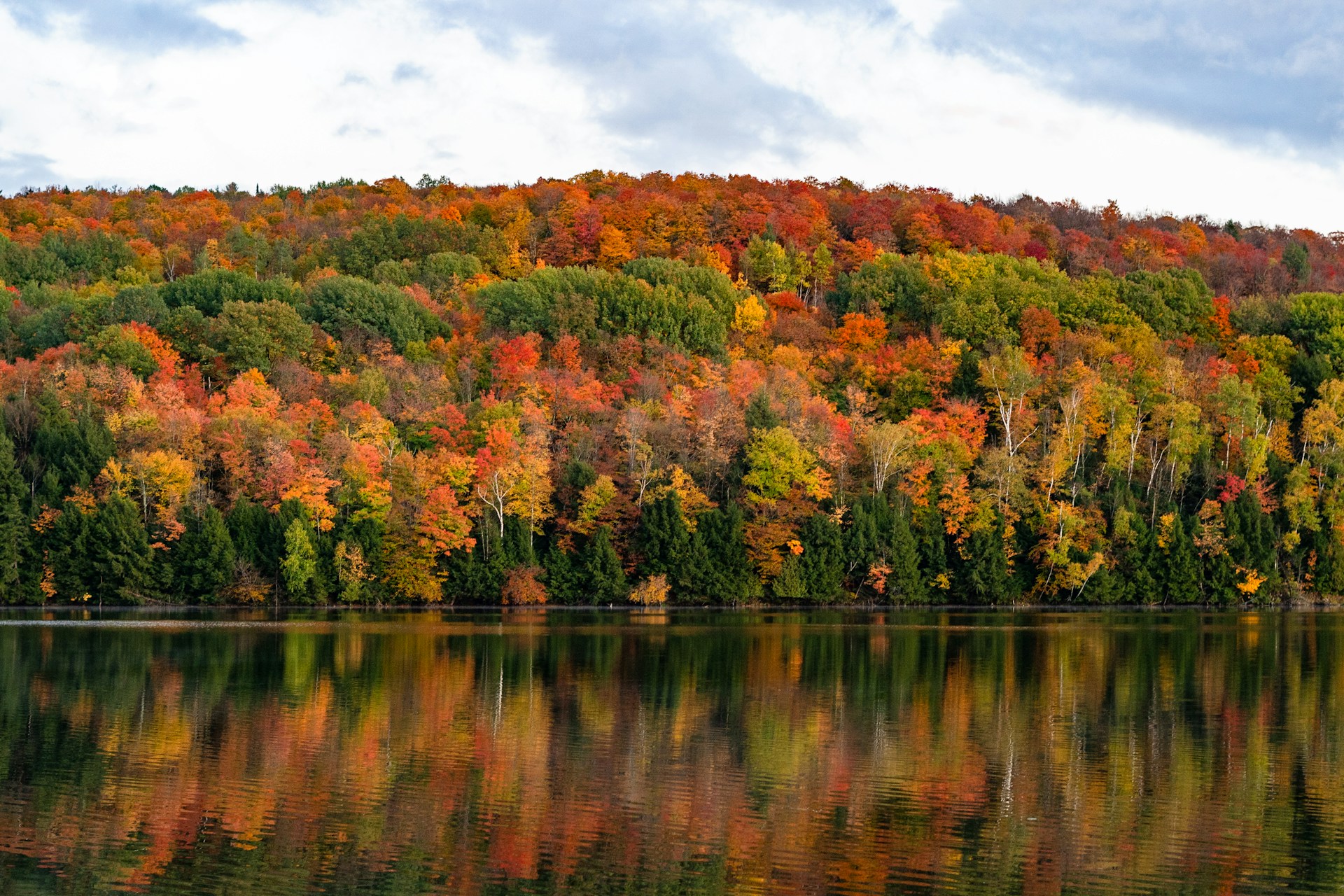
The Quabbin Reservoir area and the hills around Petersham and Barre reach peak color around October 10–18. This region is consistently undervisited relative to the Berkshires and the Pioneer Valley, which makes it the best option for anyone who wants color without company. The drive along Route 122 through Petersham gives unobstructed views across the reservoir — no entrance fee, no crowds, and the kind of light on open water that photographers specifically plan trips around.
The Pioneer Valley and Connecticut River — Late October
Northampton, Amherst, and the surrounding river valley lag behind the Berkshires by ten days to two weeks. Peak typically falls between October 15 and 25. The flat farmland along the Connecticut River combines with tree lines and hilltop orchards to create a different visual register than the mountain views further west — broader, more open, and worth a dedicated day trip even if you’ve already done the Berkshires.
Where to Go Beyond the Obvious Stops
The Mohawk Trail and Kancamagus Highway get the traffic because they’re photogenic and easy to find. That also means bumper-to-bumper cars on peak weekends and parking lots that fill by 9 AM. The following locations offer equivalent or better foliage with a fraction of the visitors.
Royalston Falls — North Quabbin Region
A 3.4-mile round-trip hike leads to a 45-foot waterfall surrounded by old-growth forest. The canopy here — sugar maple, yellow birch, and beech — produces deep reds and yellows that hold longer than lower-elevation trees. The trailhead off Doane Hill Road sees minimal traffic even during peak weekends.
Bash Bish Falls State Park — Southern Berkshires
Most people entering the Berkshires from the south head directly to Lenox or Stockbridge. Bash Bish, just over the New York border near Copake but accessible through Egremont, Massachusetts, offers a 0.6-mile trail to the highest waterfall in the state with a forested gorge that frames the color on both sides. Arrive before 9 AM on weekends — the small parking lot fills fast, but the trail clears out quickly since most visitors turn back after the first viewpoint.
Northfield Mountain — Franklin County
The reservoir loop at Northfield Mountain gives 360-degree elevated views across three states on clear days. The trails are maintained but lightly used, and the combination of open ridgeline and mixed hardwood forest means you’re seeing the full color spectrum — not just the maples that dominate more popular spots.
What the Crowds Consistently Miss
Most foliage visitors drive. The best color in Massachusetts is seen on foot or from the water, both of which require more planning than pulling off at a scenic overlook.
Canoe and Kayak Routes
The Deerfield River between Charlemont and Shelburne Falls runs through a valley that turns fully red and orange in early October. Renting a kayak from a local outfitter and spending three hours on the river gives a perspective on the foliage that no roadside stop replicates. The water reflects the canopy above, and the banks are close enough that you’re inside the color rather than observing it from a distance.
Early Morning Over Midday
Foliage photography advice focuses obsessively on golden hour, but the single most underrated time to see fall color in Massachusetts is 7–9 AM on an overcast morning. Diffused light eliminates the harsh shadows that flatten color in direct sun, and the absence of crowds at that hour means you’re moving through the landscape rather than queuing to photograph it.
The foliage itself doesn’t care when you arrive. The experience of it changes completely.